
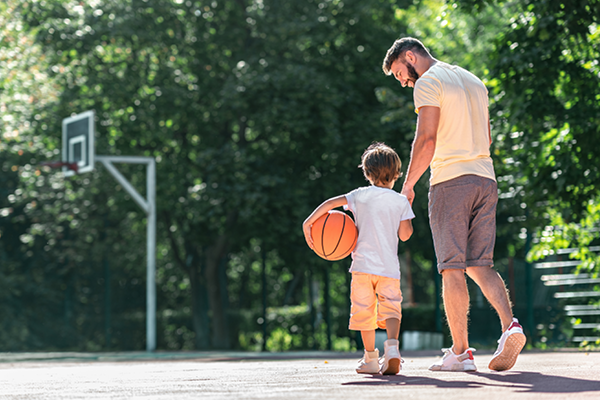
What does it mean to be strong? For many fathers, strength is not about hiding fear or pretending everything is okay. Real strength can mean going to treatment while still cheering for your child, or letting someone hold your hand in the exam room without feeling embarrassed. This June, we want to honor fathers facing cancer with honesty, heart, and remarkable resilience, along with the people who support them every step of the way.
Many fathers going through treatment find new ways to be there for their families. Some days, it means showing up at a child's recital with a port still in, making jokes in the waiting room to lift everyone's mood, or insisting on grilling at the cookout no matter what. On other days, it means resting on the couch, letting someone else take over, and accepting help without feeling guilty. Both kinds of days take real courage, and both matter.
No two cancer journeys are the same. Some fathers manage a diagnosis while working full-time, coaching Little League, and trying to keep things normal for their kids. Others are further along in treatment and focus all their energy on getting through each day. Wherever someone is in this process, there is no single right way to handle it. For many men, showing emotions can be seen as a weakness; however, it is not a weakness. Asking for help is not giving up. Just getting through the day, however it works, is enough.
The people who stand beside them matter just as much. Partners, children, siblings, and close friends who become caregivers carry a heavy load, often quietly and without much recognition. They are the ones changing their own plans, sitting through appointments, researching treatment options late at night, and finding ways to make everyday moments feel normal again. They are also the ones who stay strong in public and let their guard down in private.
For fathers who have finished treatment, life afterward can feel like a mix of relief, adjustment, and something harder to describe. Being a survivor brings new questions about health, identity, and what comes next. Old routines may need to be rebuilt, and relationships might change. Some survivors talk about a shift in perspective that brings unexpected clarity, a deeper appreciation for loved ones, a stronger sense of what matters, and a new understanding of their own resilience.
Whether you are a father in treatment, someone supporting a loved one every day, or a survivor finding your way again, you do not have to do it alone. At Carolina Oncology Specialists, we are here to support you and your family through every part of this journey. If you want to learn more about cancer care or schedule an appointment, contact Carolina Oncology Specialists today.
published: May 29, 2026, 2:55 p.m.